
Rural Life
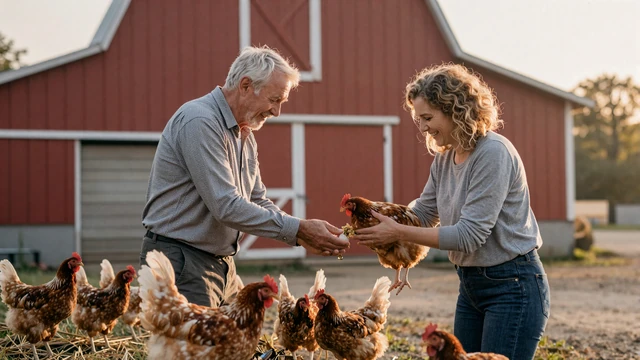
Life on a Farm and Relationships: Building Routines Together
The daily rhythm of farm life, balancing chores with partnership, and the seasonal demands that shape rural couples.
Read More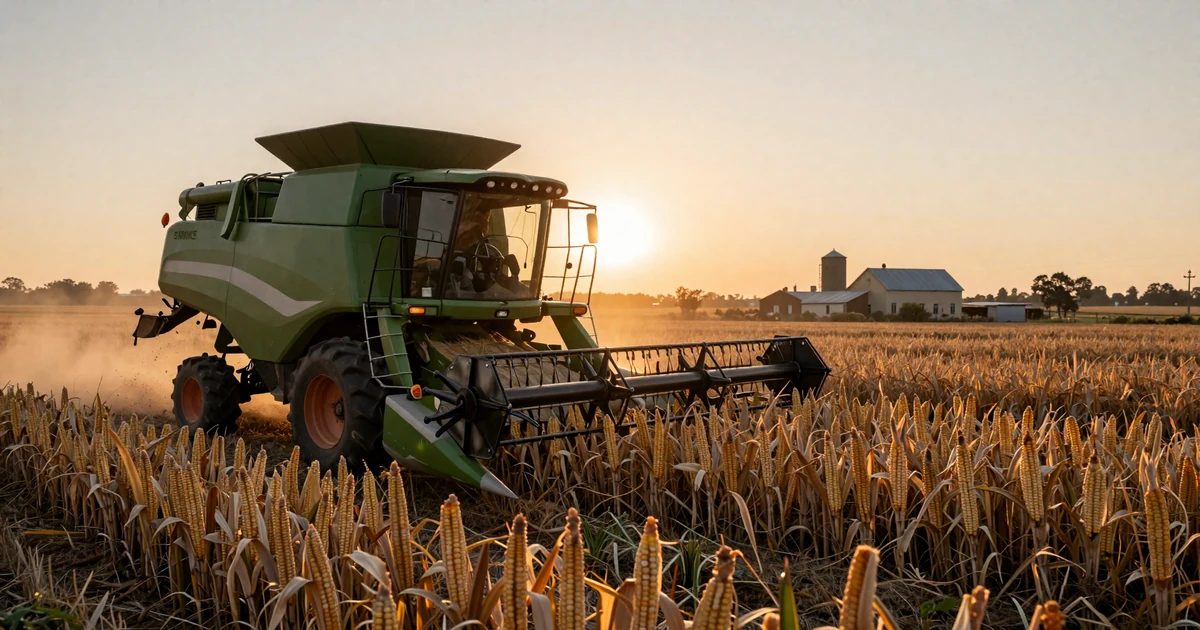
Harvest is the six to eight weeks that decide the whole year. For a corn or soybean farmer, that runs from late August into early November. Days start before first light and end after midnight when the weather cooperates. Meals are eaten standing up or in the cab of a combine. Phones get answered when a field ends, not when a notification sounds. If you are dating a farmer through their first harvest together, this is where most new relationships either prove themselves or quietly fall apart.
Here is the thing: harvest is not a personality change. A warm, attentive partner in July can look like a stranger in October, and it is not about you. A single rain delay can cost more than a month's income, so every dry hour gets used. The dating challenge is simple to name and hard to live with - your new connection is about to go mostly silent for six weeks, right when you most want to know where things stand.
"I do not need long messages during harvest. I need to know you are still there when the combine stops. That is the whole thing."
- Wayne, long-haul grain farmer and SeniorDatingSenior member
The couples who make it through harvest together tend to share a few habits. They agree on a minimum check-in - one text at breakfast, one voice note at night. They drop expectations around weekends entirely. And they use the quiet windows smartly: a Sunday morning breakfast in town, a quick lunch delivered to the field, a 15-minute phone call on the drive to the elevator. None of it feels romantic in the moment. All of it builds the kind of trust that carries into the quiet season.
Winter is when rural dating breathes. For most row-crop farmers in the Midwest, late November through February is the real courtship season - equipment is parked, the books are being closed out, and evenings are suddenly wide open. For ranchers with fall-calving herds, midsummer plays the same role. Whatever the operation, every farm has a quiet stretch, and that is the window to actually build something.
This is also the season where most of our success stories begin. People have time for two-hour phone calls, slow dinners in town, and weekend visits across state lines. It is the season for meeting family, comparing holiday traditions, and having the real conversations that planting and harvest push off the calendar. If you are dating someone new in October, circle the winter dates early - they are more valuable than you realize.
What does this mean in practice? Use the slow season for the big moves: the first in-person meeting if you have only talked online, the first overnight visit, the introduction to adult children. Our guide to life on a farm and relationships goes deeper on how rural couples build daily rhythms together, and it pairs well with what you learn about each other over a long December.
Spring is where seasonal dating challenges stack on top of each other. Calving season in February and March runs straight into planting in April and May, and for many mixed operations the two overlap entirely. Nights are broken, days are long, and the weather runs the whole show. The partners who handle it best tend to share the same three practical habits.
A 5:30 a.m. wake-up is normal during calving. Match the rhythm - send your good-morning before sunrise, not after coffee.
A sick calf or a rain window will move every plan. Say "let me know when you land" and mean it. Flexibility is the gift.
Two sentences beat two paragraphs. A photo of the first calf of the season says more than any essay you could write.
Why does this matter? Because the couples who survive the spring squeeze are the ones who communicated the plan before it arrived. A simple early-March conversation - "Here is what April is going to look like for me, and here is when I will surface" - prevents the quiet hurt that builds when someone feels forgotten. Country singles who have dated through a spring or two know the drill. People newer to farm life benefit enormously from being told directly.
Holidays in farm country are a calendar puzzle. Thanksgiving often lands in the last week of harvest. Christmas depends entirely on whether the snow has hit and whether cattle need feeding. Easter can collide with planting. Fourth of July competes with hay. For rural couples, "where are we spending the holidays?" is rarely a simple question, and for blended families 50 and older, it gets more complicated still when adult children, grandchildren, and two sets of in-laws enter the picture.
The bottom line: name the tradeoffs early. A farmer cannot promise a full Christmas Day if the dairy herd is still being milked twice. A widowed partner may need to honor long-standing family rituals that do not bend easily. Talking about these before November - ideally in the previous winter's quiet stretch - prevents the holiday from becoming the fight. One useful trick couples in our community use: build a shared paper calendar with the farm seasons marked in one color and family events in another. Seeing the year at a glance makes it obvious where to plan the anniversary dinner and where to plan nothing at all.
Dating in small towns adds one more wrinkle. Holidays are visible. Church suppers, county tree lightings, and fire-hall pancake breakfasts are where a new couple gets introduced to the whole community, whether they meant to or not. Talk about that, too. Some people love the spotlight; others want more time before the entire township knows.
Ask any long-married farm couple how they did it, and the answer is almost never grand. It is a standing Tuesday-morning breakfast at the same diner, a phone call every night on the drive back from the field, a Saturday pancake routine that has survived thirty winters. Country couples build their relationships out of small, consistent rituals that can flex with the seasons without disappearing inside them.
The FarmersOnly success archive is full of stories that lean the same way. Andy and Rita bridged two states because they protected a weekly call. Lori and John found each other after both had nearly given up on mainstream sites - what kept them going was a shared commitment to short daily contact. Tom and Sonya built their early months around winter weekends and then picked the date for a summer visit months in advance. None of that is romantic in a movie sense. All of it is romantic in a farm sense.
Pick a recurring 15-minute window - same time, same day, every week - that nothing except a real emergency moves. A Sunday evening phone call, a Wednesday lunch text thread, a Friday morning voice note. The season will not care about it. You will.
If you are just starting out, the best thing you can do for a future rural relationship is learn the farming calendar of the person you are getting to know. Ask about their busiest six weeks. Ask when their quietest month is. Then plan your biggest shared moments inside the quiet and protect a small steady rhythm through the rest. That single shift - from weekly dating to seasonal dating - is what most newcomers miss, and it is what country singles take for granted.
Ready to meet someone who understands the seasons without needing an explanation? Browse by state on our local farmers dating hub, or start a free profile on the SeniorDatingSenior homepage and see who is active this week.
The daily rhythm of farm life, balancing chores with partnership, and the seasonal demands that shape rural couples.
Read More
Nineteen states, one community. Meet verified rural singles in Iowa, Texas, Wisconsin, Montana, and across farm country.
Read More
A serious farmer dating site for mature rural singles. Verified profiles, farming-type filters, and real introductions.
Read More