
Dating Tips
How to Date a Farmer: A Practical Guide for Rural Romance
Respecting farm schedules, honest communication, and what farmers actually value in a partner - a plain-spoken guide for mature singles.
Read More
Life on a farm starts before the coffee is finished. In most households, one partner is out the door by 5:30 a.m. to check livestock, while the other is already moving - laundry on, breakfast ready, lists made. By 7 a.m., the day is fully underway. Midmorning brings a short pause, lunch is often eaten standing up, and afternoon work carries straight through to evening chores. Supper happens when the work is done, not at a fixed hour.
For someone considering dating a farmer or even thinking about what it would mean to marry a farmer, this rhythm is the single biggest thing to understand. It is not chaotic. It is deeply ordered - just ordered around animals, soil, and sky rather than a workplace calendar. Farm couples describe the pace as "busy in bursts and quiet in stretches." Calving weeks and harvest months are all-hands-on-deck. November evenings and February afternoons feel almost spacious.
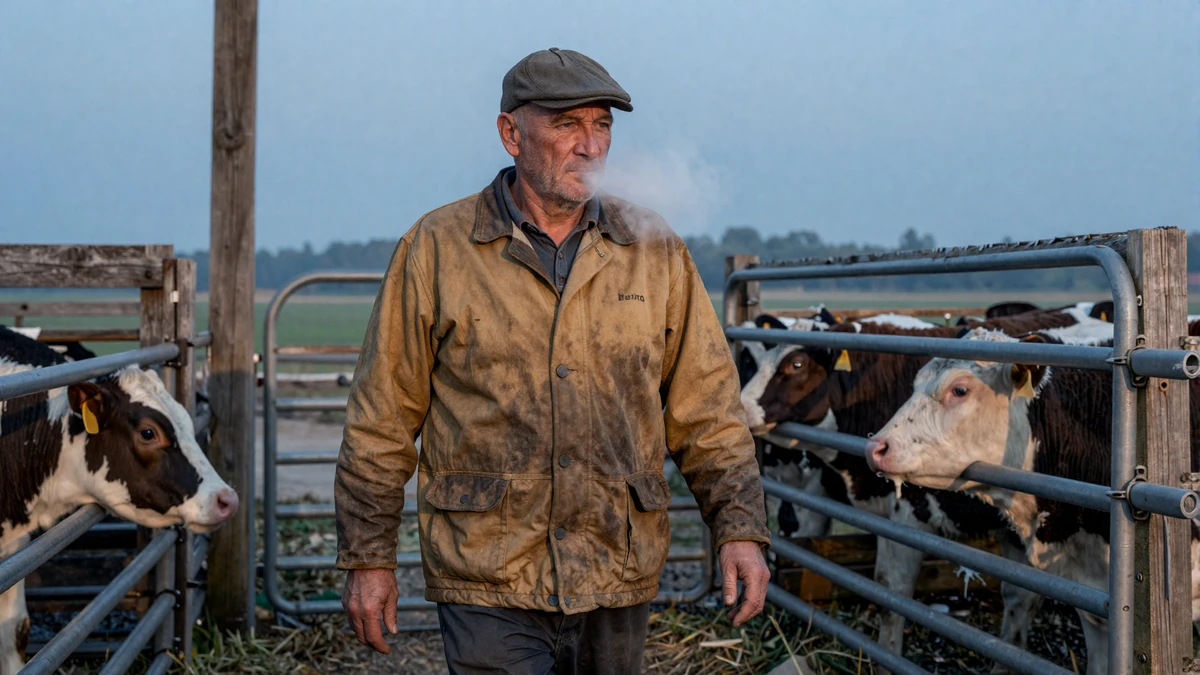
Here is the thing: the rhythm does not soften for a relationship. It absorbs the relationship into itself. A couple that works on a farm together shares a kind of closeness most office couples never experience, because they see each other in overalls, in mud, at 2 a.m. with a sick calf. There is very little pretense. That is either a relief or a shock, depending on the person.
Balancing farm work and partnership is the central craft of rural life. The most durable couples divide labor clearly, trade roles when the season changes, and protect at least one small pocket of time that belongs to the two of them alone. That pocket might be twenty minutes on the porch after chores. It might be Sunday breakfast in town. It is almost never a long weekend away during growing season.
"We decided early that whoever was off the tractor that night cooked supper. It sounds small. It saved our marriage through three harvests."
- Midwestern farm couple, married 22 years
Specialization matters too. Many of the strongest matches happen between people who already share a type of operation. Emily, a dairy farmer who met her partner through a rural dating community in April 2011, put it simply: they planned to "milk Jerseys together for the rest of their lives." Two dairy farmers understood each other's 4 a.m. alarm in a way nobody else could. That kind of shared specialty is exactly why mature agricultural singles gravitate to sites that let them filter by farming type - dairy, crops, livestock, orchard - rather than swipe blindly through city apps.
Money is part of the balance, too. Farm income is seasonal and uneven, and most mature rural couples are on fixed or semi-fixed budgets from pensions, Social Security, and land earnings. Honest conversations about money, debt, and inheritance tend to happen earlier on the farm than they do in town. That openness is a feature, not a burden.
Supporting a farming partner is rarely dramatic. It is a hot plate of food carried out to the shop at 9 p.m. It is keeping the house quiet when someone has been awake since 3 a.m. with a heifer. It is understanding that "I will be in by dark" is a best guess, not a promise.
Learn to read your partner's forecast the way they do. Rain during haying is not small talk - it reshapes the week. Ask, and then adjust.
Take ownership of the house side - groceries, bills, appointments, visits from grown children. A partner who runs the home frees the field.
Guard the quiet windows. November evenings, February afternoons, a Sunday after church. Make them sacred before the calendar fills them.
What does this mean in practice? It means the partner who is not in the field that day carries more than half of everything else, and both people know it will trade back. Resentment builds fastest when the load feels permanent. It settles fastest when both people can name exactly when the balance will shift - "after harvest," "once the calves are weaned," "come Christmas."
The farming year has four pressure points: planting in April and May, haying through midsummer, harvest from late August into November, and calving in late winter. Around those windows, life on a farm expands and contracts. Couples who thrive treat each season as a distinct chapter with its own rules, rather than trying to run the same routine year-round.
John Sellers, who met his partner Susan through a rural dating community, once described how seasonal honesty became the foundation of their relationship. He had been drawn to her profile because it felt like a real person, not a performance. "If they portray themselves honestly, they have a partial chance to meet a soul mate," he said. "You take the chance. You are not going to win all the time, but I did." That same honesty - about the season, the workload, the body's limits at 60 and 70 and beyond - is what lets mature rural couples make it through six hard weeks every fall without fraying.
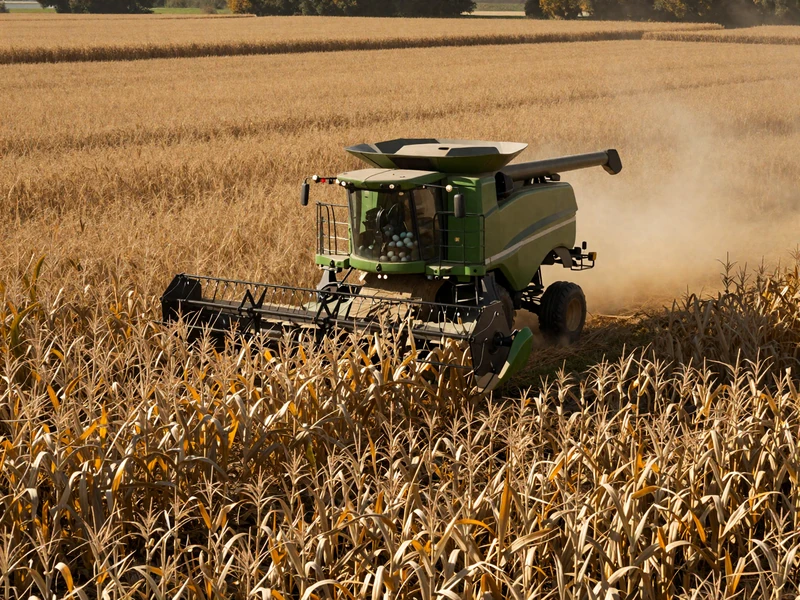
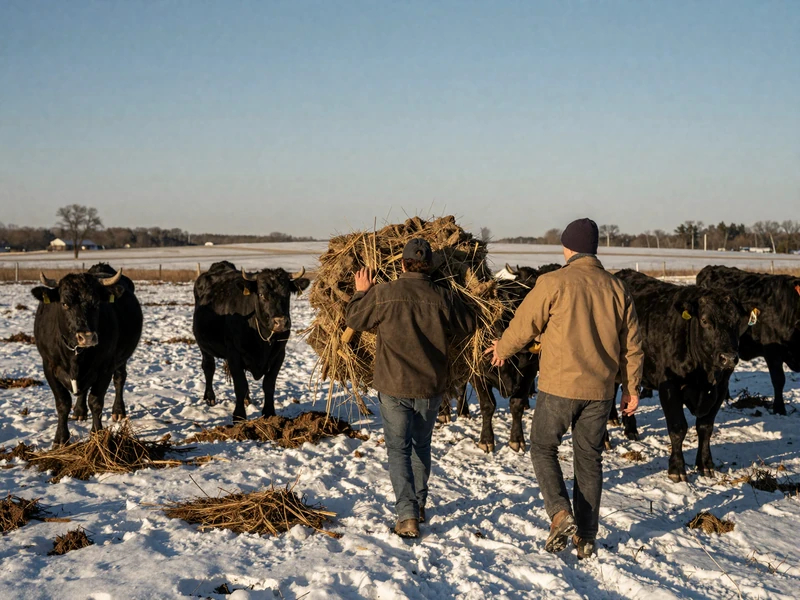
The bottom line: the relationship does not pause for harvest, but it does change shape. Messages get shorter. Dinners get later. Sleep gets shorter. Couples who know that is coming - and who plan a proper break when the last bin is full - tend to look back on the season with pride instead of exhaustion.
Rural routines are small and repeated. A morning coffee on the porch while the sun comes up. A walk to the mailbox after supper. A Sunday drive through the back roads that has not changed in thirty years. These routines are the ballast of a farm relationship. They survive the busy seasons because they are too ordinary to be cancelled.
Mature couples tend to build routines around three anchors: shared meals, shared chores, and shared silence. Shared meals - even if they are late and quick - keep the week human. Shared chores, like gathering eggs or feeding the dogs together, create easy conversation that deep talks never match. Shared silence, the kind that settles over a porch at dusk, is the signal that the relationship has reached its comfortable shape.
Consider this: couples who meet later in life, after a loss or a long marriage, often say the routines feel more precious the second time around. There is less urgency to prove anything and more attention paid to small rituals. That is exactly why niche communities for country and rural singles tend to produce relationships that last - the people joining already know what they value, and they are not in a hurry to perform.
Respecting farm schedules, honest communication, and what farmers actually value in a partner - a plain-spoken guide for mature singles.
Read More
Meet country-lifestyle singles who share your values - ranchers, cowboys, cowgirls, and homesteaders looking for real partnership.
Read More
A serious rural dating community built for mature singles who want real connections - verified profiles, farming-type filters, and honest intent.
Read MoreIf you are just starting to think about the practical side of rural courtship, our guide to seasonal dating challenges farmers face walks through the calendar month by month, and the long-distance rural relationships guide covers what happens when the nearest good match lives two states away.